Before I turned to writing I was a landscape architect and my theory about truly learning the craft included visiting every site I could access that had been designed by a famous name. And I didn’t want their latest work, I craved the older works that might show me how they fared in their later life. By this, I hoped to learn to design landscapes that would survive the test of time.
You see, a landscape is a growing thing and time will expose its strengths and weaknesses. The weaknesses fascinated me. The fussy stuff, the small plantings that overgrew, the walkways that created worn paths across lawns because they looked great on paper but weren’t where people actually walked.
What worked was mostly land forms—the shaping of contours and groves of trees. So I thieved, perceived and retrieved what made a landscape great and avoided using what didn’t.
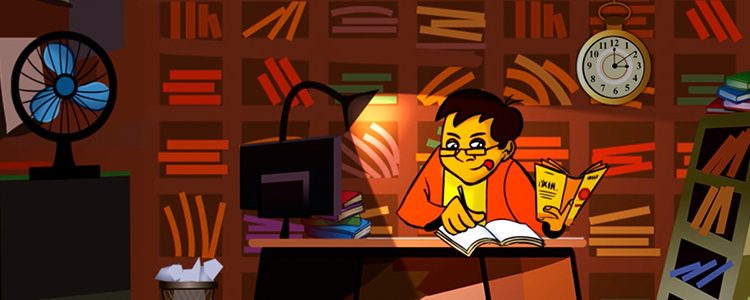
If you think that’s a long way ‘round to successful writing, keep it in mind as you read. The fussy details in a novel may not age well, nor will the pretentious flower beds of over-spoken dialogue. In my reading, I am ruthless with the page, always with a yellow marker at my side to highlight sentences and paragraphs that make me smile with delight and love the man or woman who wrote them. If writing is more craft than schooling (and I believe it is), then reading well and widely is the apprenticeship.
Be rough and tough with your library and it will serve you well.